
Rooted in urban Indigenous realities
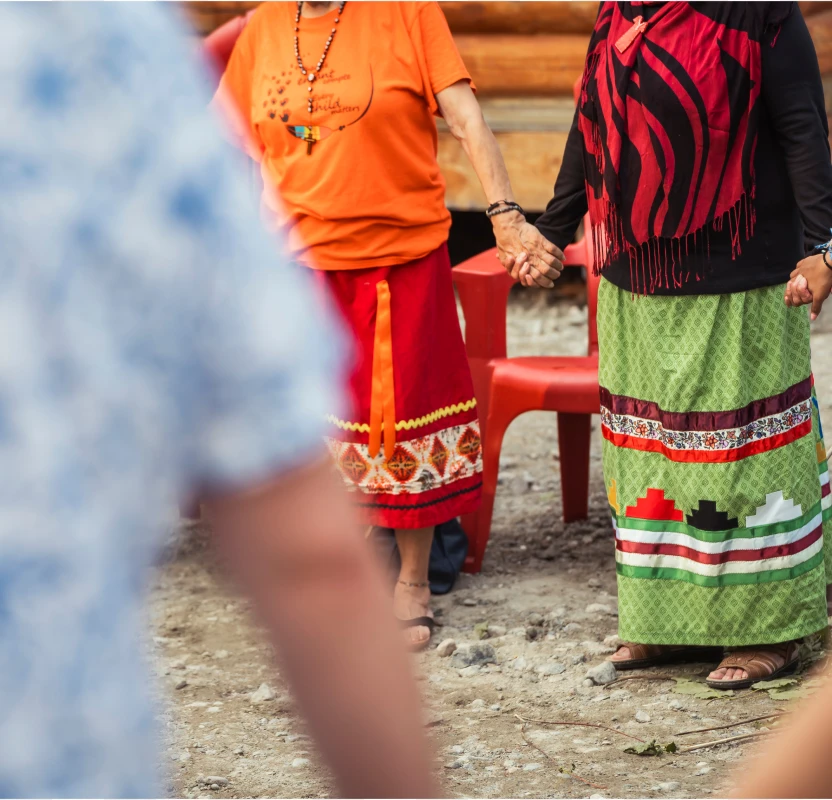
We recognize the rights of First Nations and Inuit in cities. We support their initiatives and amplify their voices.
Specific support for the urban Indigenous presence

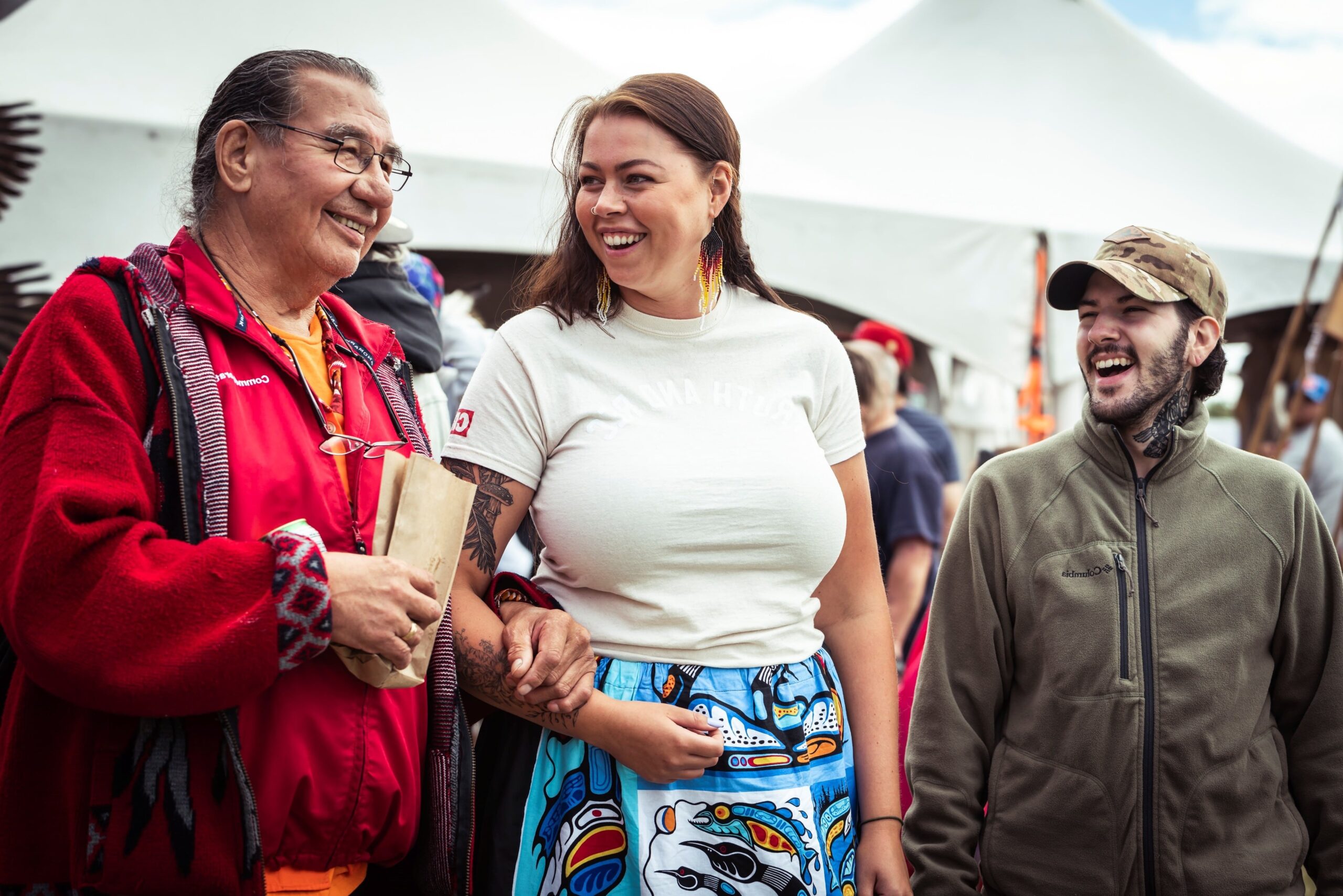
Today, a majority of Indigenous people live in urban areas. That’s why the Quebec Native Friendship Centre Movement provides contextually adapted services rooted in the cultural and social realities of the First Peoples.
We promote cultures, encourage dialogue between peoples and help shape public policy to reflect urban Indigenous lived experience.

Latest News
Stay up to date and see how, together, we’re making a difference.
View all news
On September 12, 2026
Provincial Elections: The RCAAQ Invites Party Leaders to See the Impact of Indigenous Health Clinics
As part of the provincial election campaign, the RCAAQ is inviting Quebec’s political party leaders to visit an Indigenous health clinic and witness the tangible impacts of these initiatives for First Nations members and Inuit living in urban areas. The press release highlights proven solutions that improve access to care and help reduce persistent health inequalities.

On September 8, 2026
Building on What Works: Strengthening Proven Urban Indigenous Institutions to Maximize Public Benefits
Tabled by the RCAAQ as part of the federal 2026-2027 pre-budget consultations, this position paper calls for stronger support for established urban Indigenous organizations. It presents three key recommendations related to funding, housing and community infrastructure.

On August 4, 2026
From disruption to continuity: Rethinking responses to homelessness, mental health and addiction in urban Indigenous communities
Submitted as part of Quebec’s national consultations on future directions in mental health, homelessness and addiction, this position paper by the RCAAQ calls for solutions rooted in pathway continuity, cultural safety and the recognition of urban Indigenous expertise.
The Observatory of Urban Indigenous Realities
Our Observatory focuses on urban Indigeneity. Its mission is to gather, understand and share knowledge related to urban Indigenous issues, focusing its actions on using First Nations and Inuit knowledge and expertise for the benefit of society as a whole.
First Nations Child and Family Services and Jordan’s Principle Settlement
This agreement is intended to compensate those harmed by discriminatory underfunding of the First Nations Child and Family Services program and those impacted by the federal government’s narrow interpretation of Jordan’s Principle.