Rooted in cities for 50 years
The RCAAQ unites 11 Native Friendship Centres that guide and support First Nations and Inuit in urban areas. At the heart of the city, our Centres are more than just service points.
They are the pillars of First Nations and Inuit urban life in Quebec. Led through Indigenous governance and with a holistic approach, they provide services and safe spaces that not only reinforce wellness, identity and self-determination, but also contribute to reconciliation.
Supporting wellness and empowerment
Through their anchoring in culture, frontline services and core involvement in urban realities, Native Friendship Centres strengthen all forms of Indigenous wellness:
- Health and wellness
- Education
- Employability
- Justice
- Family stability
- Indigenous youth and youth leadership
- Transmission of knowledge and pride in identity
All initiatives reflect the RCAAQ’s commitment to supporting the culturally rooted urban Indigenous communities that bring about change.
The RCAAQ in figures
These numbers illustrate our deep-rooted, vibrant and foundational involvement in cities.

living environments rooted in Indigenous cultures
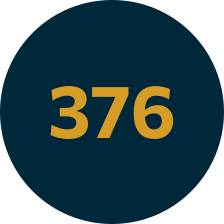
employees in the Quebec Friendship Centre Movement
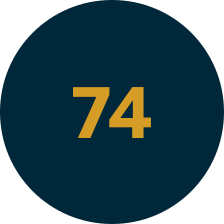
housing units with support services adapted to Indigenous students and their families

Indigenous health clinics

research projects led by or co-constructed with the Observatory of Urban Indigenous Realities, including 5 research partnerships with a province-wide scope

focus areas in which the RCAAQ plays a key role
Central players in supporting Indigenous people
“The Centres are places where members can reclaim their language and culture.”
“The Friendship Centre helped me reconnect with my identity.”
“I was in shock when I arrived in the city, but the Native Friendship Centres gave me a foothold.”
“The Native Friendship Centres are by and for Indigenous people in urban areas.”
Bringing Indigenous cultures to life in the city
For 50 years, the RCAAQ has been helping to make cities places where Indigenous cultures can be expressed, transmitted and renewed.
By founding Native Friendship Centres and developing Indigenous health services, points of service, research tools and adapted real estate structures, the Movement led by the RCAAQ has helped transform the approaches to Indigenous support and the Indigenous urban landscape.
This timeline shows the key moments in this collective change, as Indigenous populations affirmed their presence, built organizations and took central roles in Quebec’s cities.
Feeling the need to join their voices, Native Friendship Centre directors came together in 1976 to found the RCAAQ and thus coordinate and broaden the scope of their actions.
Building on 50 years of commitment, culture and innovation, our Movement continues to blaze new trails to support the wellness and self-determination of urban Indigenous populations.
The RCAAQ
- A key player in urban Indigenousness
- Governance drawing on citizen participation, leadership and community mobilization
The Native Friendship Centres
- Concrete solutions to complex issues
- Service points anchored in culture, self-determination and wellness
- Most extensive service infrastructure for Indigenous people in urban areas
Our Société immobilière
- Housing projects designed by and for urban Indigenous people
- Living environments that foster cultural safety, belonging and anchoring
Our Observatory
- A space for research on and monitoring of urban Indigenous realities
- Knowledge that is utilized to inform the RCAAQ’s decisions and strengthen its actions
- A platform that gathers, understands and shares both Indigenous and scientific knowledge