

On November 26, 2026
Municipalities and Friendship Centres Make More than 80 Concrete Commitments to Improve Indigenous People’s Access to Services in Urban Areas
As part of the fourth meeting between Quebec mayors and the Native Friendship Centre Movement, municipalities and Friendship Centres made several concrete commitments to strengthen their collaboration and improve access to services for First Nations members and Inuit in urban areas.
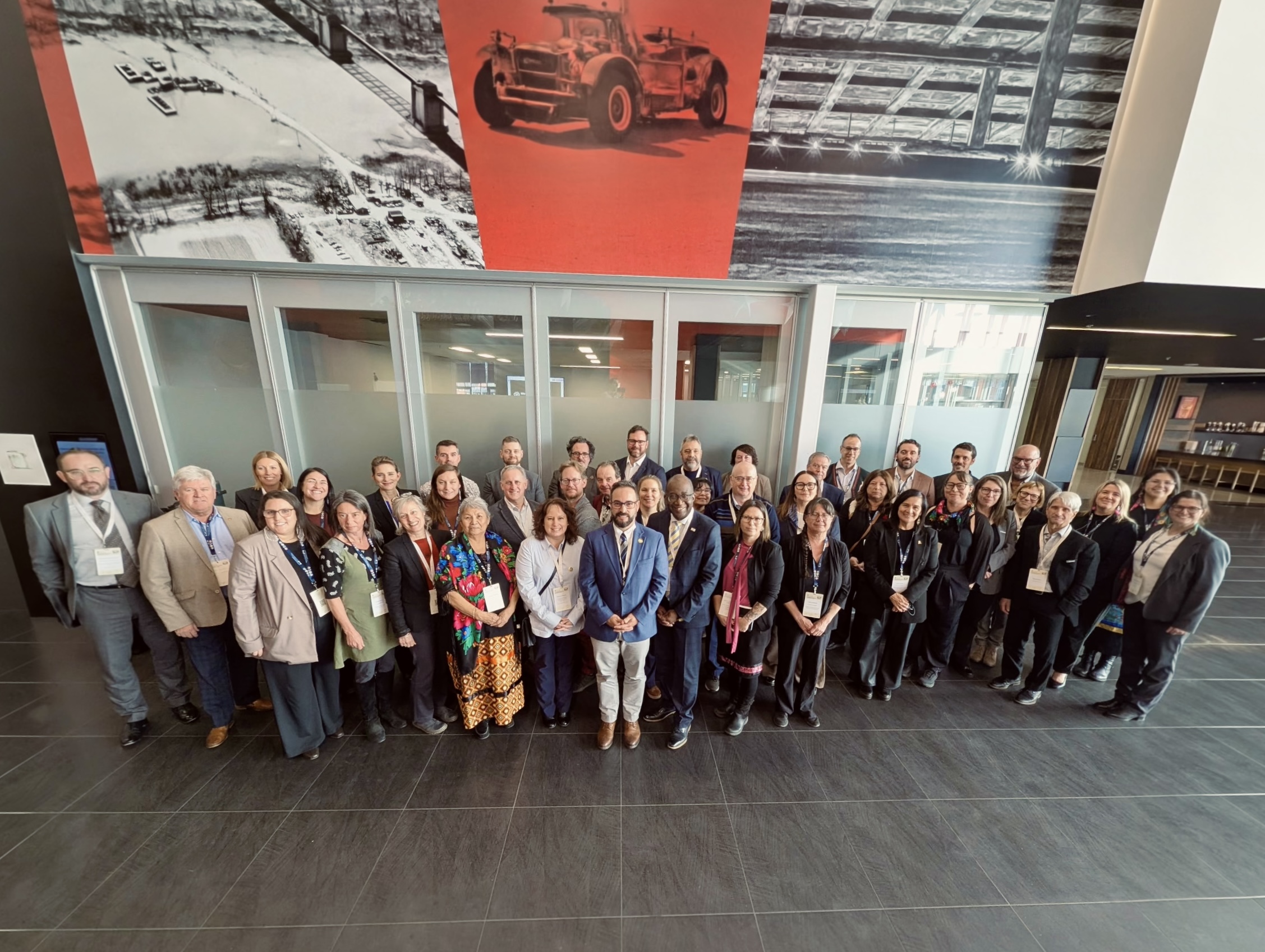
Trois-Rivières, November 26, 2026 – Gathered in Trois-Rivières for a fourth meeting between Quebec mayors and the Native Friendship Centre Movement, representatives from 13 cities and Friendship Centres signed a joint commitment and unveiled some 80 local commitments that will strengthen collaboration with Indigenous populations in urban areas and improve their access to services.
This joint action reaffirms the vital role played by Friendship Centres as local partners for municipalities to work on issues that affect First Nations members and Inuit in urban areas. The signatories renewed their commitment to promoting more inclusive, equitable and culturally safe living environments for urban Indigenous populations.
They also presented local commitments that were jointly developed in recent months as part of a consultative process led by the Regroupement des centres d’amitié autochtones du Québec (RCAAQ). Tailored to the realities of each city, the commitments will strengthen local collaboration and further on-the-ground work to address needs that emerged during the consultation process.
Recognizing Native Friendship Centres as essential strategic partners, these engagements reflect a shared desire to build on collaborations and partnerships and take concrete actions that will foster social cohesion and cultural safety, highlight Indigenous cultures and history, and promote civic engagement. They also aim to address housing and infrastructure needs, improve access to services and develop coordinated responses to the challenges of homelessness and social cohabitation. Finally, several commitments support economic development—particularly through Indigenous employability and entrepreneurship—and fit into a reconciliation process that recognizes Indigenous rights and builds bridges between peoples.
Organized by the RCAAQ, in collaboration with the Union des municipalités du Québec (UMQ), the Centre d’amitié autochtone de Trois-Rivières and the Ville de Trois-Rivières, the event brought together elected city officials, Friendship Centre representatives and several partners around a common goal: to strengthen ties between municipalities and Indigenous people living in or passing through urban areas.
This day of discussion was informed particularly by the findings of the study Urban Indigenous People and Public Service Accessibility in Quebec, which was recently published by the RCAAQ’s Observatory of Urban Indigenous Realities. The survey revealed that 93% of respondents live or have lived, study, work or receive services in urban areas, confirming the central role that cities play in the lives of First Nations members and Inuit. It also emphasizes the importance of continuing efforts to reduce service access barriers and develop responses tailored to urban Indigenous realities and needs.
Quotes
“Friendship Centres and municipalities each have an essential role to play in supporting the First Nations members and Inuit who live in or pass through cities. By joining forces and building on the complementary nature of our respective roles, we can move things forward. During the event, Friendship Centre staff, municipal representatives and elected city officials had the opportunity to share ideas and draw inspiration from projects underway across Quebec. Our network is committed to continuing this collective effort and fostering these collaborations in every city, long after the meeting is adjourned.”
Laurianne Petiquay, chair of the Regroupement des centres d’amitié autochtones du Québec and executive director of the Centre d’amitié autochtone Capetciwotakanik – La Tuque
“Friendship Centres are one of the first places Indigenous people go for support or services. Municipalities should tap into the invaluable resource of their expertise. It’s so important that cities and Centres keep the channels of communication open, and UMQ is very pleased to contribute to doing so. We have everything to gain by continuing this work side by side.”
Guillaume Tremblay, chair of the Union des municipalités du Québec and mayor of Mascouche
“We are proud to help raise the profile of the Friendship Centre Movement, and to have had this opportunity to showcase our city and daily environment, and to present our projects and services. Days like this one highlight the vital impact of the Centres’ work and the importance of building strong partnerships with local government. Together, we promote wellness among urban Indigenous populations and increase their visibility and recognition in our communities.”
Maud Flamand, executive director of the Centre d’amitié autochtone de Trois-Rivières
“The Ville de Trois-Rivières is proud to have hosted this fourth gathering in partnership with the Centre d’amitié autochtone de Trois-Rivières. Municipal decisions—whether about housing, safety, recreation or any other issue—have a real impact on the lives of Indigenous people in our cities, and we want our services to better reflect their realities. Bringing peoples closer together also requires action at the local level, and the commitment we made during the meeting is part of that effort.”
Jean-François Aubin, mayor of Trois-Rivières
About the Regroupement des centres d’amitié autochtones du Québec
For 50 years, the RCAAQ has been a bridge between urban Indigenous communities and public institutions. It has 11 members with Friendship Centres and service points in 14 cities across Quebec, forming the largest network of services for Indigenous people in cities. The RCAAQ supports its affiliated Centres in developing solutions, programs and infrastructure that promote the wellness, self-determination and empowerment of urban Indigenous communities in Quebec.
– 30 –
For more information: Myrian Marotte
Regroupement des centres d’amitié autochtones du Québec
514-913-4478
myrian.marotte@rcaaq.ca