

Vaccination
Vaccines help the body build a stronger, more resilient immune system, so it can defend itself against diseases. Vaccination is the best way to protect yourself against various diseases at every stage of life. By getting vaccinated, we can help keep our families, children and communities safe and healthy.
Vaccines not only protect us from diseases that can cause severe illness or even death, but they can also reduce the spread of infectious diseases. Some of these diseases have no medical treatment, so it’s important to stay up to date with your vaccinations.
Tools to support the vaccination journey
We developed these tools based on data that was collected and analyzed by the Observatory of Urban Indigenous Realities to document vaccination practices in Native Friendship Centres. The project identified issues in the field, interveners’ needs and best ways to disseminate information.
Consultation with the Centres then validated the findings so that actual concerns in the community guided the design of tools. The tools focus on these areas:
- Motivational interviewing
- Countering misinformation
- Supporting people in their vaccination-related decision-making
Tools adapted to realities in the field
These tools are meant to facilitate communication, support informed decision-making and increase the availability of clear, appropriate and reassuring information before, during and after vaccination.
The project was developed in collaboration with Utapi Consultants, an Indigenous social enterprise founded and run by a nurse clinician and member of the Pekuakamiulnuatsh First Nation.
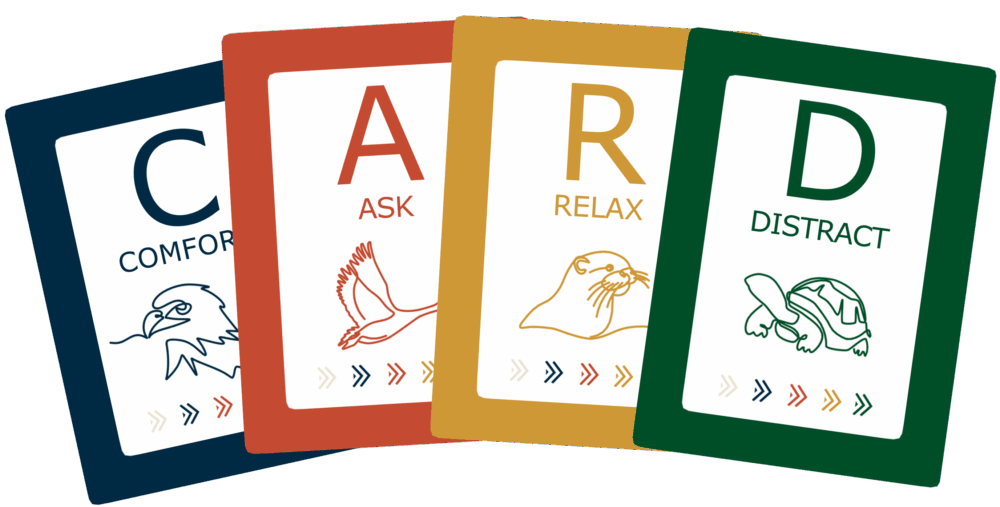
The CARD method: Improving children’s vaccination experience
With the University of Toronto’s agreement, we also adapted CARD (Comfort, Ask, Relax, Distract). This method is recognized for improving the vaccination experience, particularly for children, by reducing their anxiety and pain.
Tools
Vaccines are safe and effective
Canadian laws and regulations set high standards for vaccine development, safety and testing, making vaccination very safe. In fact, Canada must follow a strict process for approving, using and monitoring vaccines.
Although vaccines, like any other medication, aren’t 100% effective, vaccination is still one of medicine’s greatest achievements. The World Health Organization estimates that vaccination prevents more than two million deaths worldwide every year.
Outils pour soutenir le parcours de vaccination
Ces outils ont été développés à partir d’un projet de collecte et d’analyse de données mené par l’Observatoire des réalités autochtones urbaines, documentant les pratiques de vaccination au sein des Centres d’amitié autochtones. Les analyses ont permis d’identifier les enjeux vécus sur le terrain, les besoins des intervenants et les approches les plus pertinentes pour la diffusion de l’information.
Des consultations auprès des Centres d’amitié ont ensuite permis de valider ces constats et d’orienter la conception des outils en fonction des préoccupations réelles du milieu. Les outils développés portent notamment sur :
-
- l’entrevue motivationnelle ;
-
- la lutte à la mésinformation ;
-
- l’accompagnement à la prise de décision en matière de vaccination.
Des outils adaptés aux réalités du terrain
Ils ont pour objectif de faciliter la communication, de soutenir la prise de décision éclairée et de favoriser l’accès à une information claire, adaptée et rassurante, avant, pendant et après la vaccination.
Le projet a été développé en collaboration avec Utapi Consultants, une entreprise autochtone à vocation sociale fondée et dirigée par une infirmière clinicienne et membre de la Première Nation des Pekuakamiulnuatsh.
Vaccination services at your Friendship Centre
Friendship Centre health clinics provide services in a familiar, safe and culturally relevant environment for Indigenous people, and help to strengthen the Friendship Centres’ health and wellness initiatives. You can get more information, talk to a health professional and even get vaccinated.
For more information and to stay up to date with your vaccinations, talk to your doctor, nurse or Friendship Centre intervener.With the University of Toronto’s agreement, we also adapted CARD (Comfort, Assistance, Relaxation, Distraction). This method is recognized for improving the vaccination experience, particularly for children, by reducing their anxiety and pain.
To find out more :
